 News
NewsBBC Walks Back Unverified GTA 6 Leak Claims
By Ray Ampoloquio · Aug 23, 2026 Updated by Matt Gibbs · Aug 24, 2026 No confirmed ultimatum, dead man's switch, or 30 minute runtime exists behind recent GTA 6 leak claims that outlets have since ret
By Ray Ampoloquio · Aug 23, 2026 Updated by Matt Gibbs · Aug 24, 2026 No confirmed ultimatum, dead man's switch, or 30 minute runtime exists behind recent GTA 6 leak claims that outlets have since retracted.
Zoom image: The recent set of GTA 6 leaks have multiple outlets tripping over themselves trying to separate fact from fiction. In the span of about a day, two separate outlets published Grand Theft Auto VI claims and then had to take them back. On August 22, Insider Gaming ran a report claiming that CyberLeek, the group behind the recent leaks, had threatened to drop a full playable build of GTA 6 if Rockstar Games and its lawyers did not back off, complete with ominous "dead man's switch" language, implying an automatic release nobody could stop.
Within a day, the outlet fully redacted the piece, explained the situation, and owned up to the mistake after community call-outs, including a loud one from creator MoistCr1TiKaL. Around the same window, a BBC article described Rockstar's upcoming Netflix reveal as a 30-minute special, a specific runtime that turns out to have no official source behind it at all, based only on circulating rumors.
The hype surrounding the next Grand Theft Auto has turned into a machine for manufacturing things that are not true, and it's now catching even people who do this for a living.
The reason for all of this starts with Rockstar. The company has built its entire marketing strategy around telling you almost nothing and it has answered the leaks with silence, ads, and takedowns rather than clarifying anything. When the most anticipated game in over a decade goes this quiet, it leaves a vacuum, sucking up everything around it, even misinformation, scams, and leaks.
Rockstar's information blackout is the exact condition this misinformation storm needs to exist.
Then you stack AI on top of this. Faking a screenshot now takes a few minutes, which is precisely how the fake three-episode Netflix listing got built and debunked a couple of weeks back. AI-generated video has gotten good enough to fool people at a glance and because real screenshots and artwork surfaced this year, including the actual CyberLeek clips that kicked off the legal manhunt Take-Two Interactive is currently on, everyone is a bit less sceptic than they usually are.
Once you have seen one real leak, the next fake one slips past your guard a little easier. Add the speed of the news cycle, where a rumor can go from a Reddit post to a dozen headlines before anyone checks it, and you have an environment engineered to burn people .
How to vet a GTA 6 claim before you believe it
The faster a claim wants you to react, the harder you should squint at it.
Just to make it clear, the villains aren't the writers who fixed their errors or Rockstar who are simply doing what works. Rather, the lesson here is to never trust the first version of any GTA 6 claim, from anyone including us, until it holds up under the weight of intense and public scrutiny.
On that note, here is what we actually know right now. There is no verified evidence that CyberLeek issued that specific full-build ultimatum or that any automatic release mechanism exists. The exact length of the August 27 reveal is not confirmed as well and the reveal itself is still on track with no public playable build of GTA 6 available anywhere.
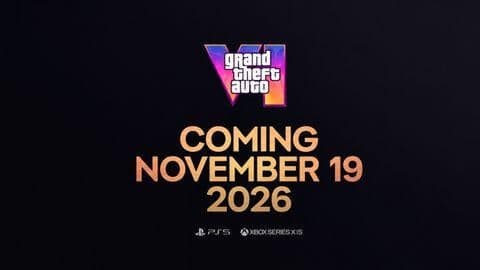
Based on everything that's happened over the past week, from the manifesto everyone argued about to the movement that publicly disowned the leaker , the safest move here is patient. The only look at this game worth trusting is the official one on Netflix on August 27 , followed by the free version on YouTube six hours later, ahead of the November 19 launch . We at least owe this to the developers who are now feeling the brunt of the GTA 6 leaks.
Everything between now and then that asks you to believe it instantly is worth exactly doubting until proven otherwise.
Ray Ampoloquio Editor and News Writer, GTA BOOM
Ray is a GTA BOOM editor and news writer covering GTA 6, Rockstar and Take-Two, GTA Online and franchise history using primary-source reporting.
Source : GTA BOOM
Article original